Market Insights
Hydropower in Nepal: An Overview for Investors
How Nepal's hydropower sector is structured, where it stands today, and the risks that matter to anyone considering involvement.
- By
- Ample Associates Editorial
- Published
- Last updated
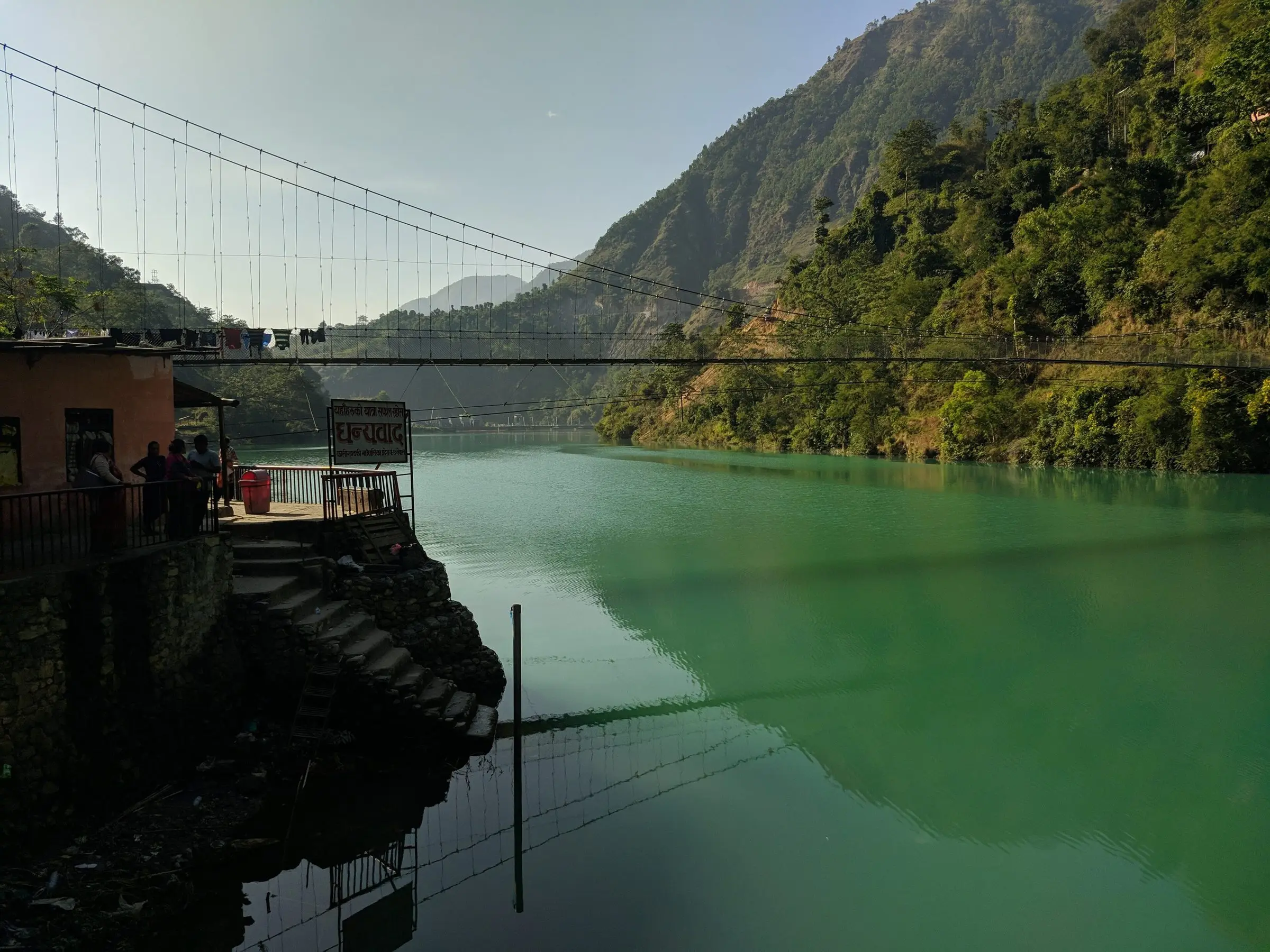 Location Image
Hydropower supplies almost all of Nepal's electricity. Installed capacity reached 3,878 MW in July 2025, after 631 MW was added to the grid over the preceding year, according to figures reported by the Asian Development Bank's SASEC programme.
That growth is why hydropower features in most conversations about investing in Nepal. It is also a sector with long timelines and real physical risks.
How projects are usually structured
Most private hydropower projects are developed through a dedicated project company. The founders who initiate the project, secure licences and put in early capital are known as promoters. Promoter shares are distinct from shares later offered to the public.
Projects typically need a survey licence, then a generation licence, a grid connection agreement and a power purchase agreement before construction financing can be completed.
The risks
Hydrology and climate: floods, landslides and sediment can damage headworks and interrupt generation.
Time: moving from licence to commercial operation commonly takes several years, and delays are frequent.
Grid and offtake: generation is only valuable if it can be evacuated and sold. Transmission constraints have affected projects in the past.
Liquidity: promoter shares can be subject to lock-in periods and may be hard to sell.
Ample's involvement
Ample Associates is a promoter of Sikles Hydropower, the developer of the 13 MW Madkyu Khola project in Kaski district, and of Upper Richet Hydropower, a 2 MW project. Himalayan Solar Power, a 10 MW solar project, and SAMS Energy Development Company are associate projects. Documentation of these relationships is being confirmed. No energy investment opportunity is currently open through Ample Associates.
This article is general information, not legal, tax or investment advice. Rules change; confirm your position with qualified advisers. Read our risk disclosure.
Sources
Installed electricity capacity of 3,878 MW (announced July 2025)
- Source
- South Asia Subregional Economic Cooperation (SASEC), Asian Development Bank (opens in a new tab)
- Reference year
- 2025
- Last verified
Sikles Hydropower Ltd: 13 MW Madkyu Khola Hydropower Project, Kaski
- Source
- Sikles Hydropower Ltd (opens in a new tab)
- Last verified
Himalayan Solar Power: 10 MW, Sitalpati, Khandbari
- Source
- Himalayan Solar Power (opens in a new tab)
- Last verified